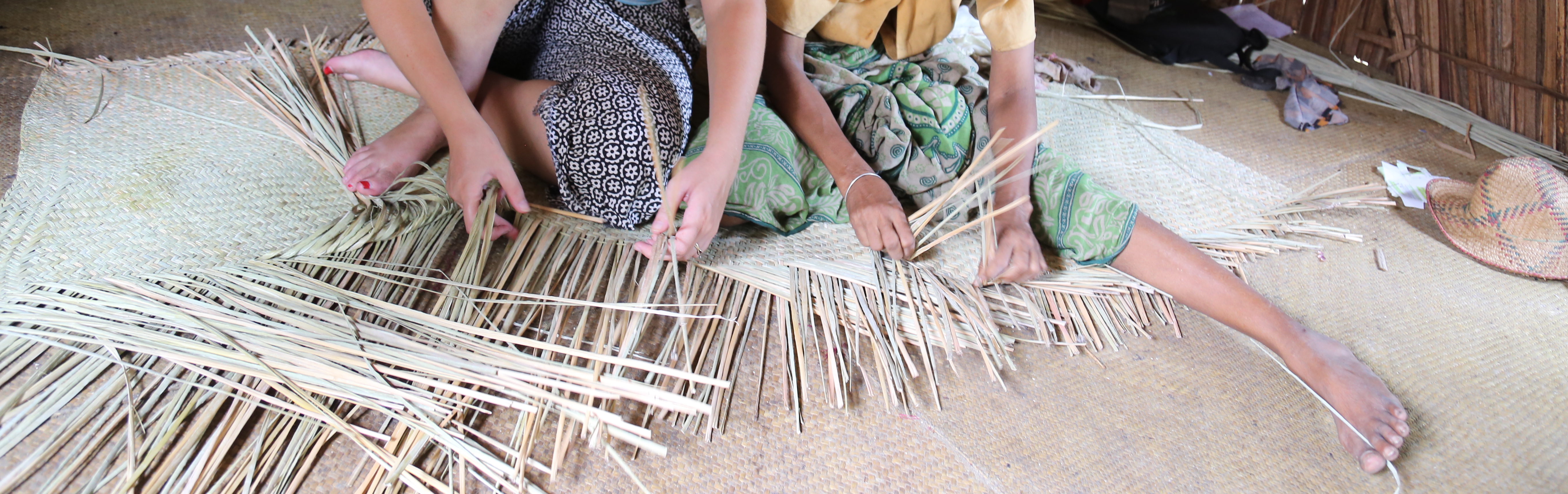
As a researcher I am interested in transdisciplinary, multimodal ways of researching craft and craftspeople’s experiences.
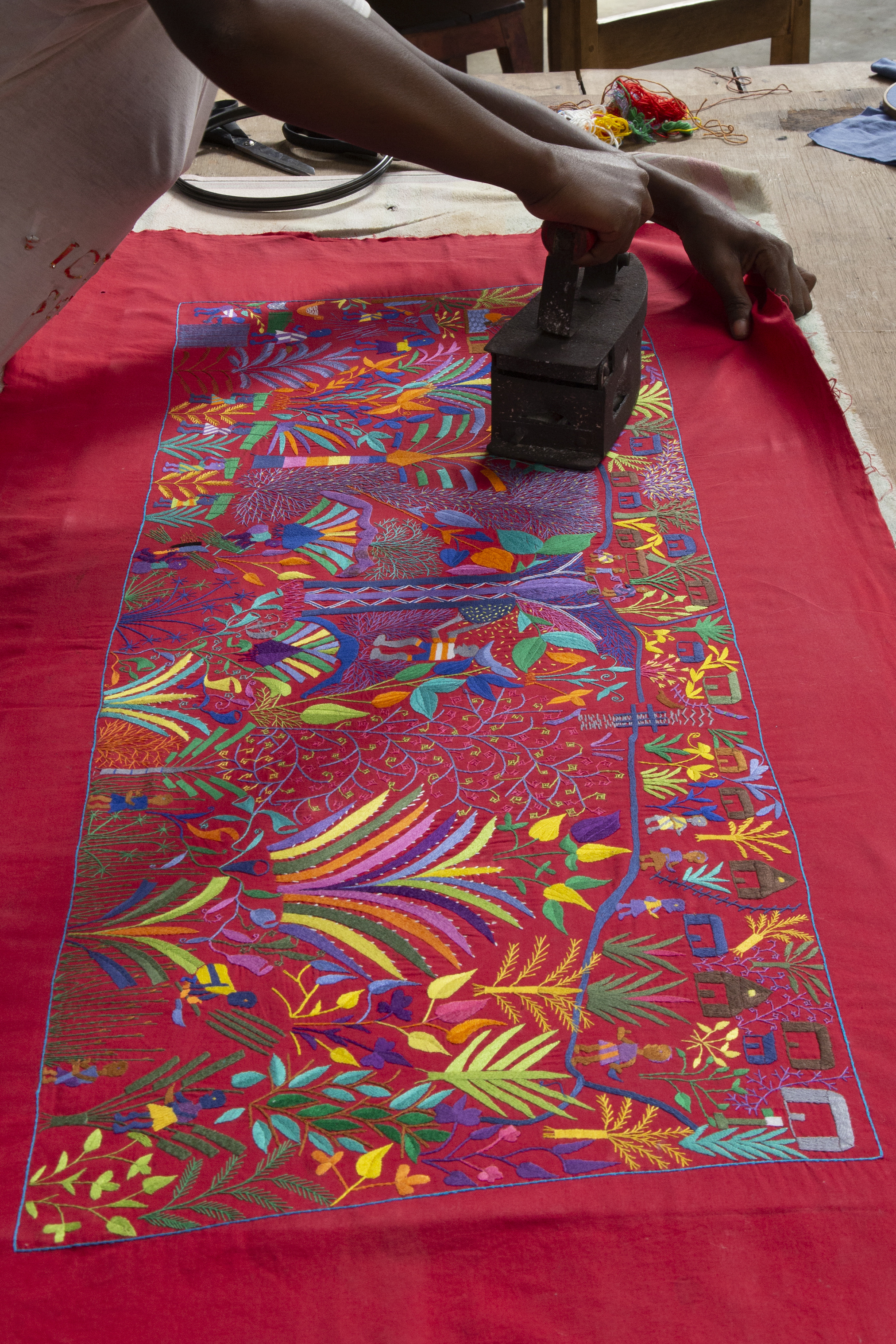
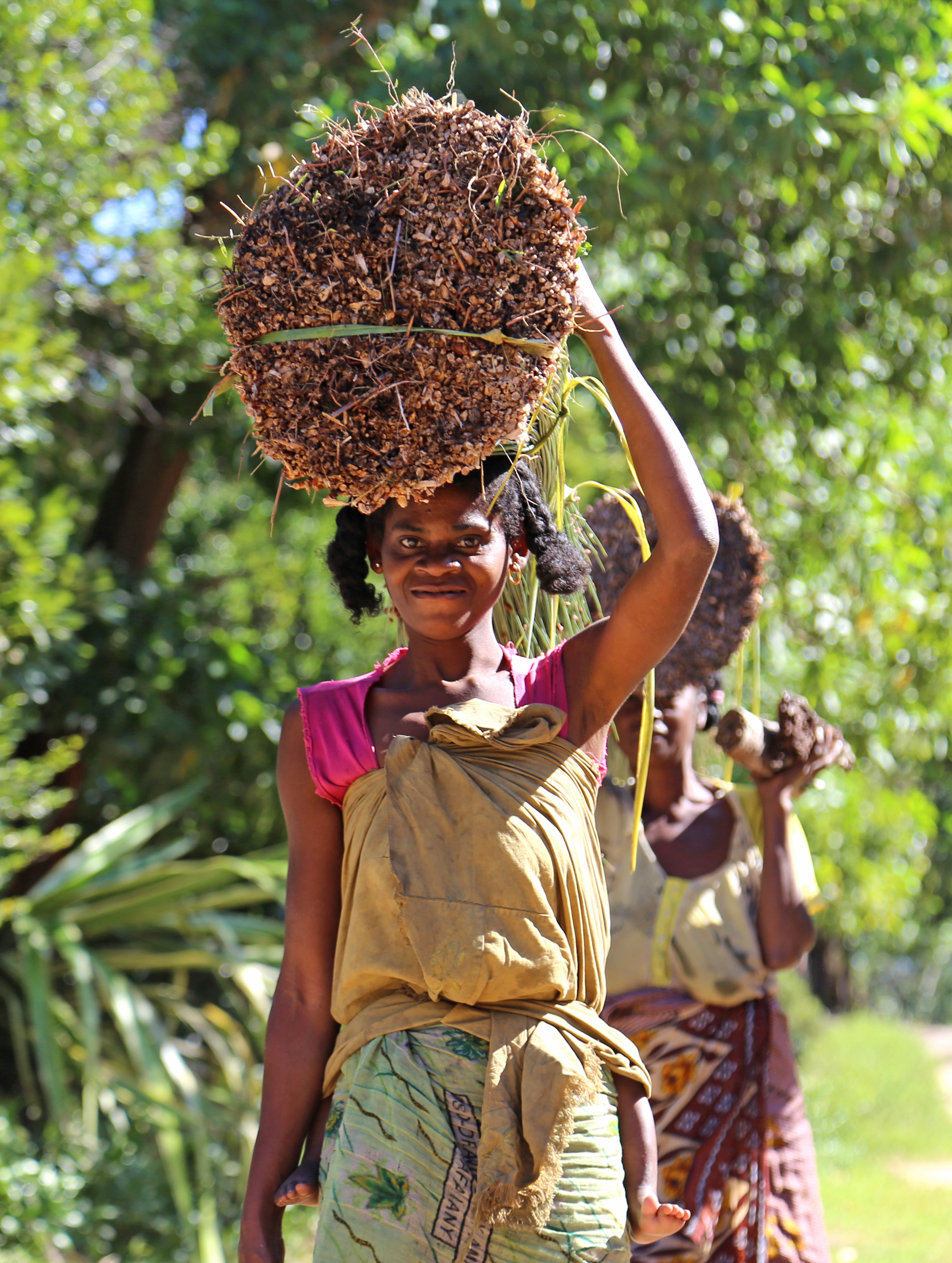
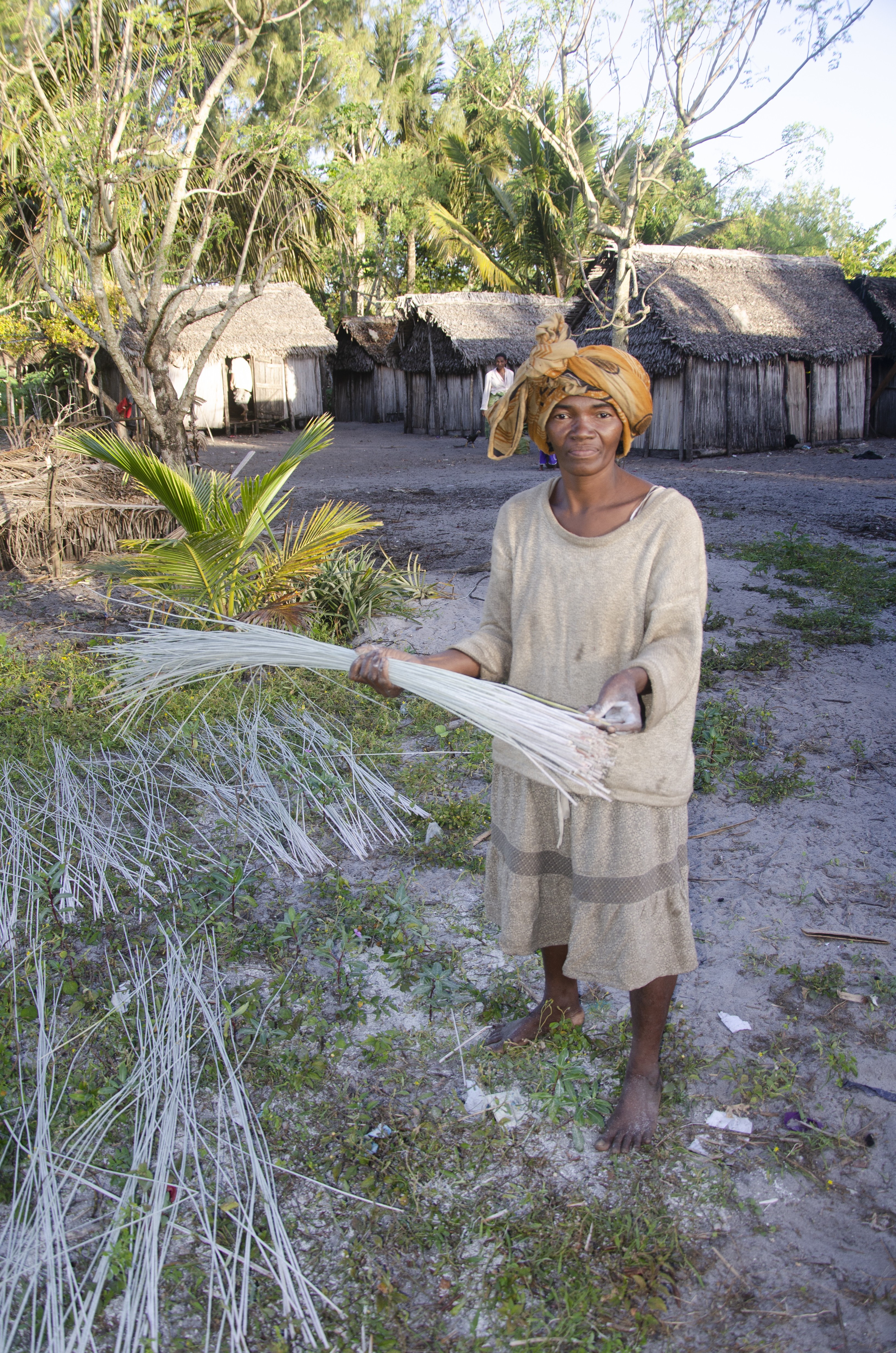
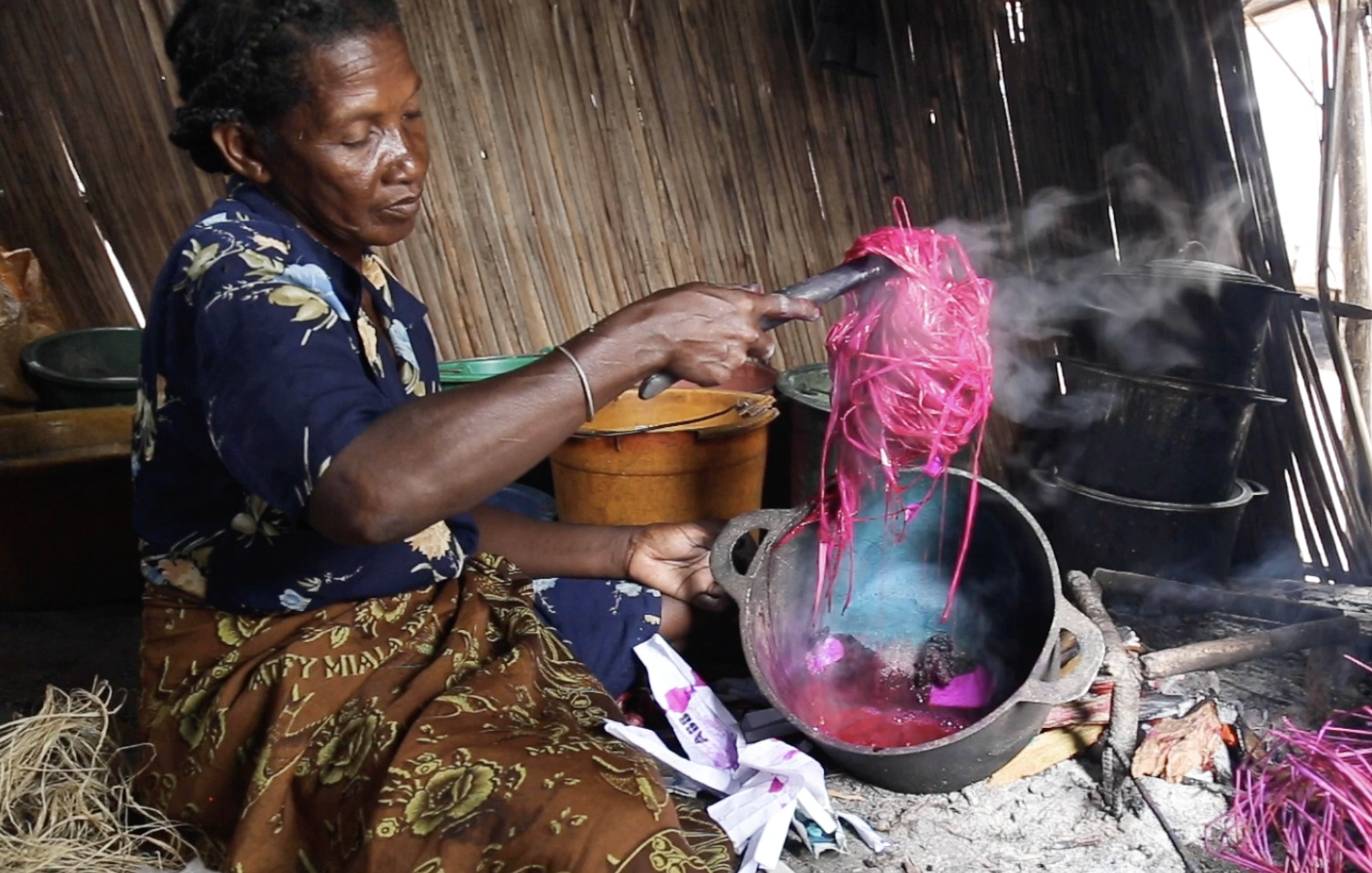
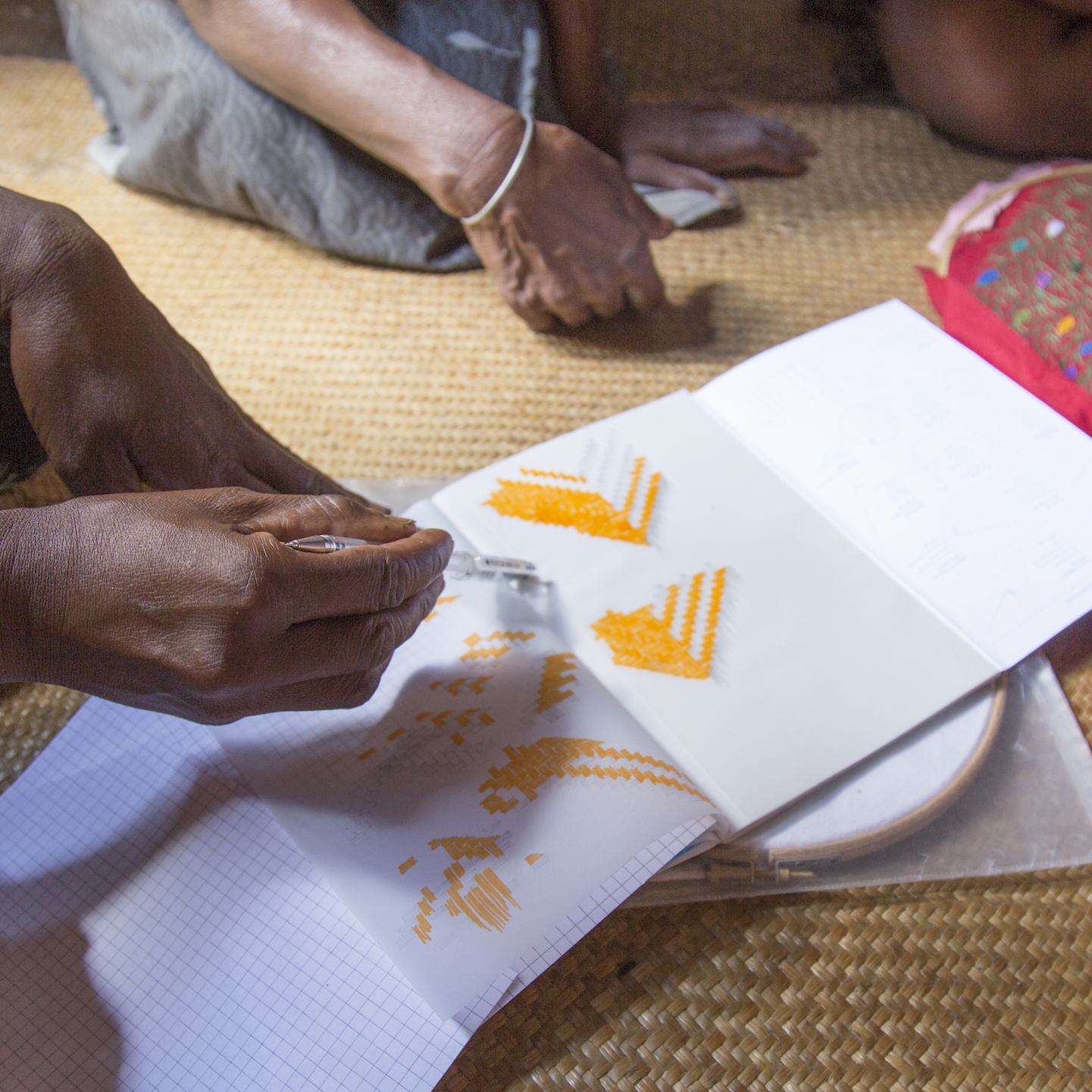
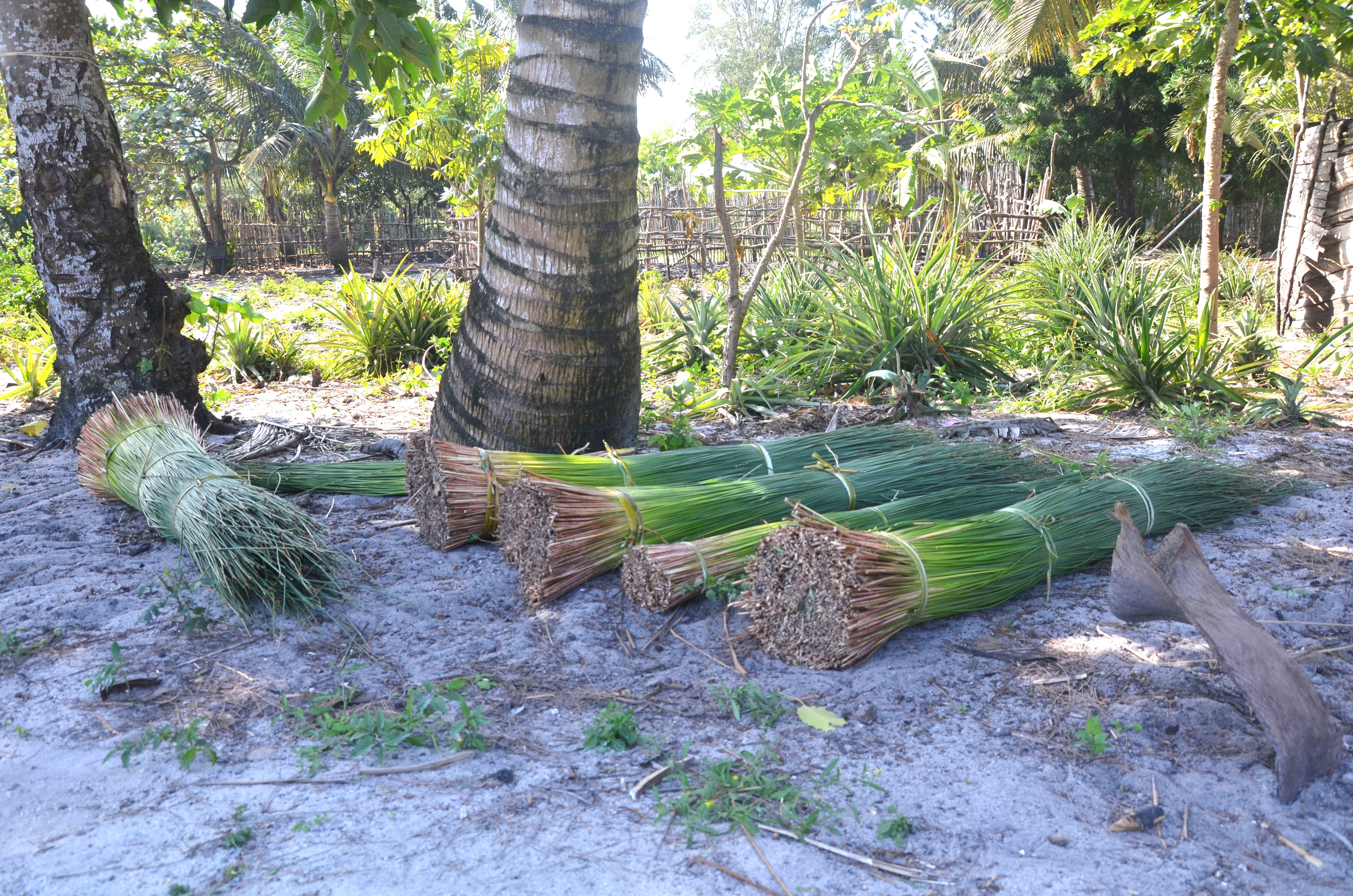
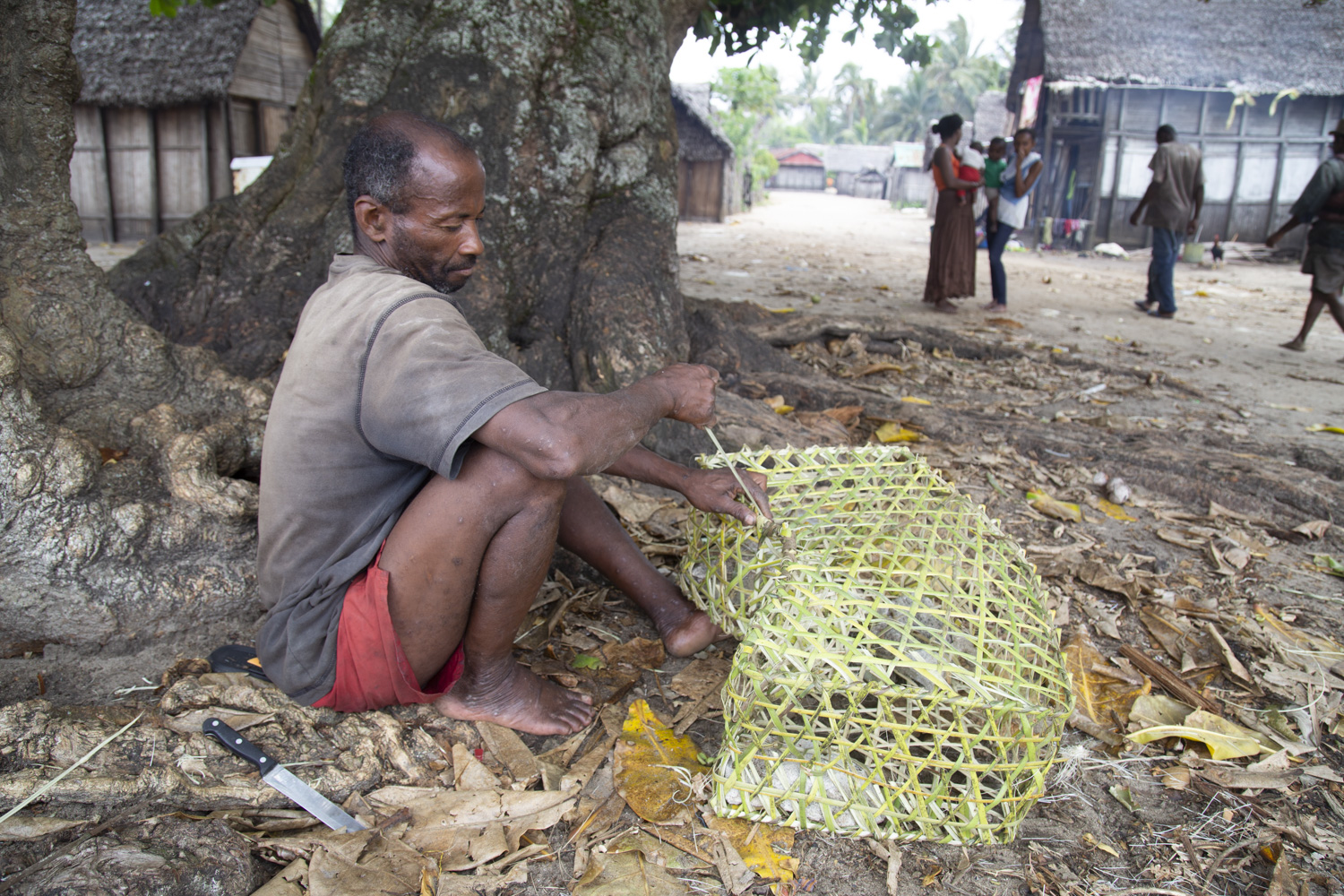
My PhD research was undertaken in the community of Sainte Luce in southeast Madagascar, with craftswomen who were building embroidery livelihoods as an alternative to ancestral reed-weaving. It drew on craft, textiles and material culture anthropology to challenge sustainable development projects that artificially separate craft practice from the lives of the communities in which it is socially embedded. Using craftspeople’s perspectives, it explored the social, creative, practical and ethical challenges of building new craft expertise and communities and renegotiating relationships with ancestral processes.
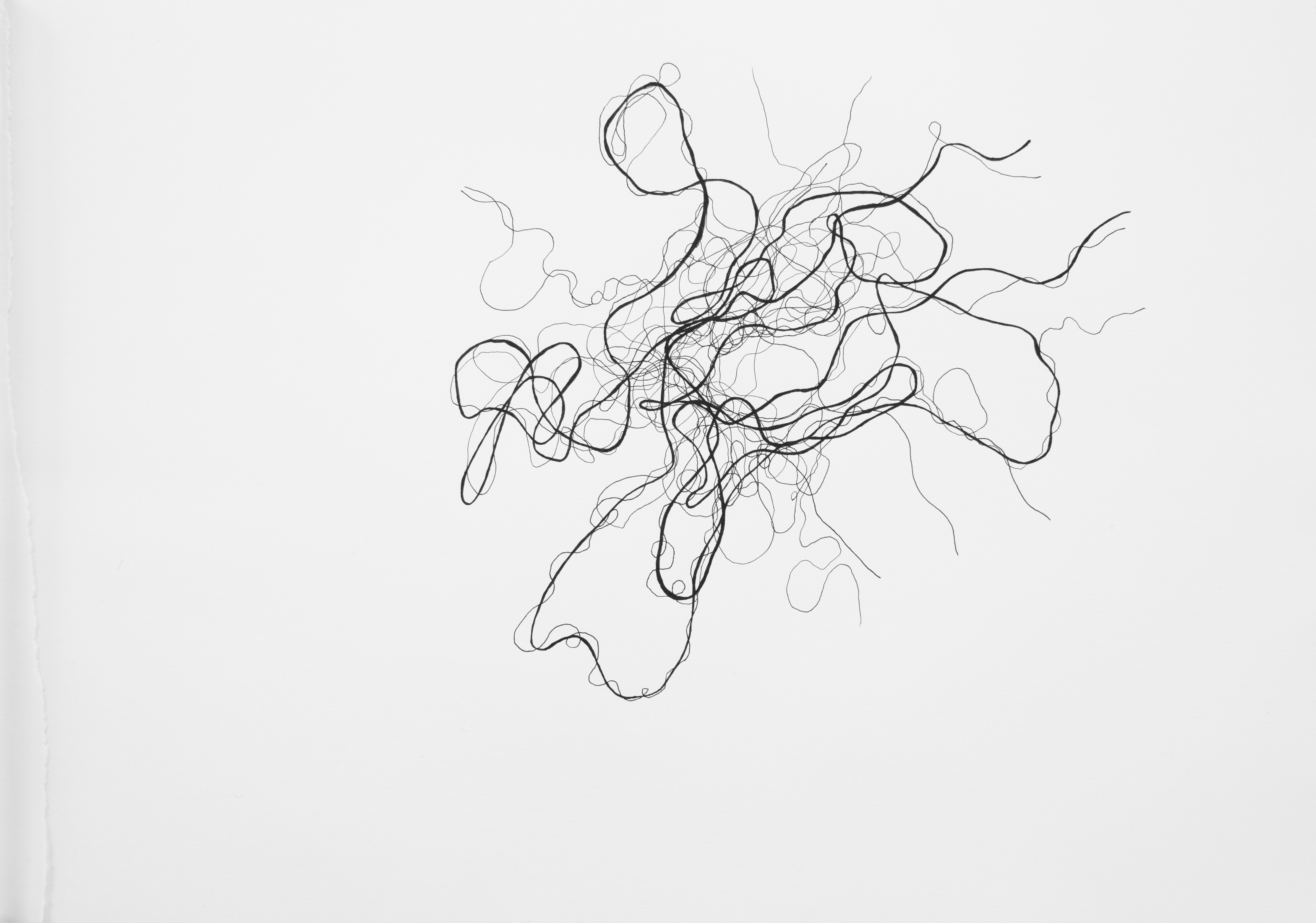
I am interested in experimental, multimodal and craft-forward research methodologies that resonate with research participants’ understandings, make space for complex ideas to emerge and create meaningful dialogues between researcher and participants. During my PhD I developed an arts-based approach that drew on ethnographic methods and creative practice, using drawing and making as tools for translation between different ways of knowing and thinking. I developed a strategy I called ‘reinhabiting the research space’ by audio recording research activities that used craft processes and then listening to recordings during the analysis phase while engaging in the same crafts. Using making to shape thinking generated layered and alternative reflections compared with traditional transcription alone. I drew on Ingold’s (2010) conceptualisation of a meshwork in which lines can be traced to increase understandings, to analyse the success of different elements of the research process and visualise the interactions and roles of different research methods.
Book Project
I am currently writing a book based on my PhD research.
The book shows how craftswomen in Madagascar facing environmental threats to ancestral reed-weaving livelihoods have built new craft expertise and communities around embroidery, a craft introduced by a sustainable development project. I take an interdisciplinary approach that draws on scholarship in craft, textiles and material culture anthropology to foreground the craft process and makers’ own perspectives. The book demonstrates the complexity of this transition as women individually and collectively renegotiate their relationship with ancestral practice and navigate social, practical, creative and ethical dimensions of change.
Conventional approaches to craft in development typically underplay local textile histories and cultural understandings and underestimate the importance of social relationships and embodied knowledge held by makers. Traditional projects prioritise perspectives from the global north and view change through the lens of project activities, artificially separating making from the social worlds it inhabits. In contrast, my research uses makers’ understandings to explore this change in the context of the local community and landscape of livelihoods. I examine social relationships that shape the ways new craft becomes socially embedded in craftspeople’s lives. In doing so I demonstrate the incongruity between makers’ understandings and development project priorities.
Research Images